
Refrigerant Leak Repair
Refrigerant Leak Detection & Repair
A system low on refrigerant has a leak. We find it and fix it rather than refilling it and waiting for you to call again.
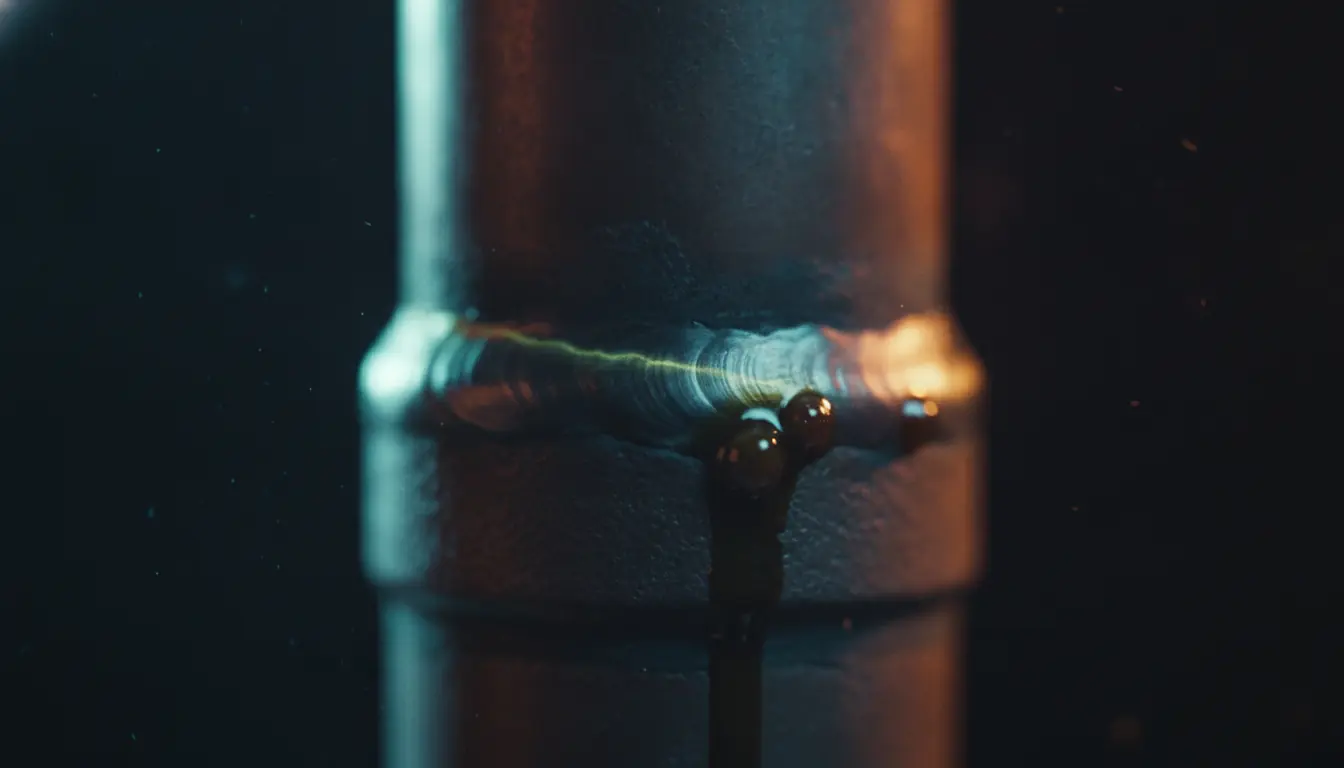
Refrigerant is not consumed. It circulates in a sealed loop, and if a system is low it is because that loop is no longer sealed. This matters because the standard response in this trade — top it up and move on — is not a repair. It is a fee for delaying the same failure, and it is why so many Florida homeowners are paying for refrigerant every single summer.
Running a system low on charge is also actively destructive. The compressor relies on returning refrigerant for cooling and oil return; starve it and it runs hot, the oil degrades, and the eventual failure is a compressor rather than a fitting. Meanwhile the evaporator coil runs cold enough to freeze, airflow collapses, and the symptom you actually notice — no cooling — arrives long after the damage began.
So we look for the leak. Electronic detection for the fast survey, nitrogen pressure testing to confirm a suspected section, and UV dye where a slow leak refuses to show itself on the first visit. Then we repair or replace the failed component, pull a deep vacuum to get moisture and non-condensables out of the system, and weigh in the exact charge the data plate calls for.
Signs the system is losing refrigerant
- The system cools far less well than it did last season, gradually rather than suddenly
- Ice forming on the copper suction line or on the indoor coil
- A hissing or bubbling sound near the indoor unit or the line set
- The outdoor unit runs continuously and the house still never gets there
- You have been recharged before — and it is low again
- Oily residue at a fitting, service valve or on the coil
What leak work involves
- Electronic leak detection across coils, fittings, service valves and the line set
- Nitrogen pressure test to confirm or rule out a suspected section
- UV dye injection where a slow leak needs a follow-up visit to locate
- Braze or component replacement — coil, valve, fitting or line set as the fault requires
- Deep vacuum to remove moisture and non-condensables before recharge
- Charge weighed in to the manufacturer's specification, then verified by superheat or subcooling
South Florida
Refrigerant Leak Repair across Miami-Dade, Broward, Palm Beach
Salt air, year-round cooling load, and high-rise condo systems with limited access.
South Florida coverageCentral Florida
Refrigerant Leak Repair across Polk, Orange, Osceola
Genuine winter nights, heavy inland summer humidity, and heating that actually gets used.
Central Florida coverageRefrigerant Leak Repair — common questions
Can you just add refrigerant?
We can, and sometimes on a very old system awaiting replacement that is the pragmatic choice — but we will tell you plainly that it is a stopgap, not a repair. Refrigerant does not get used up. If it is low, it is leaking, and it will be low again.
My system uses R-22. What are my options?
R-22 is no longer produced in the United States, so it is reclaimed stock only and priced accordingly. On an R-22 system a significant leak usually turns into a replacement conversation, because the cost of repeatedly charging it outruns the cost of a current system quite quickly. We will price both so you can see it.
Why does the leak sometimes take two visits to find?
Very slow leaks do not always give themselves away under test conditions. When that happens we inject UV dye, let the system run normally for a period, and come back to a leak that has marked its own location. That is a better outcome than guessing at a coil replacement.
Related services
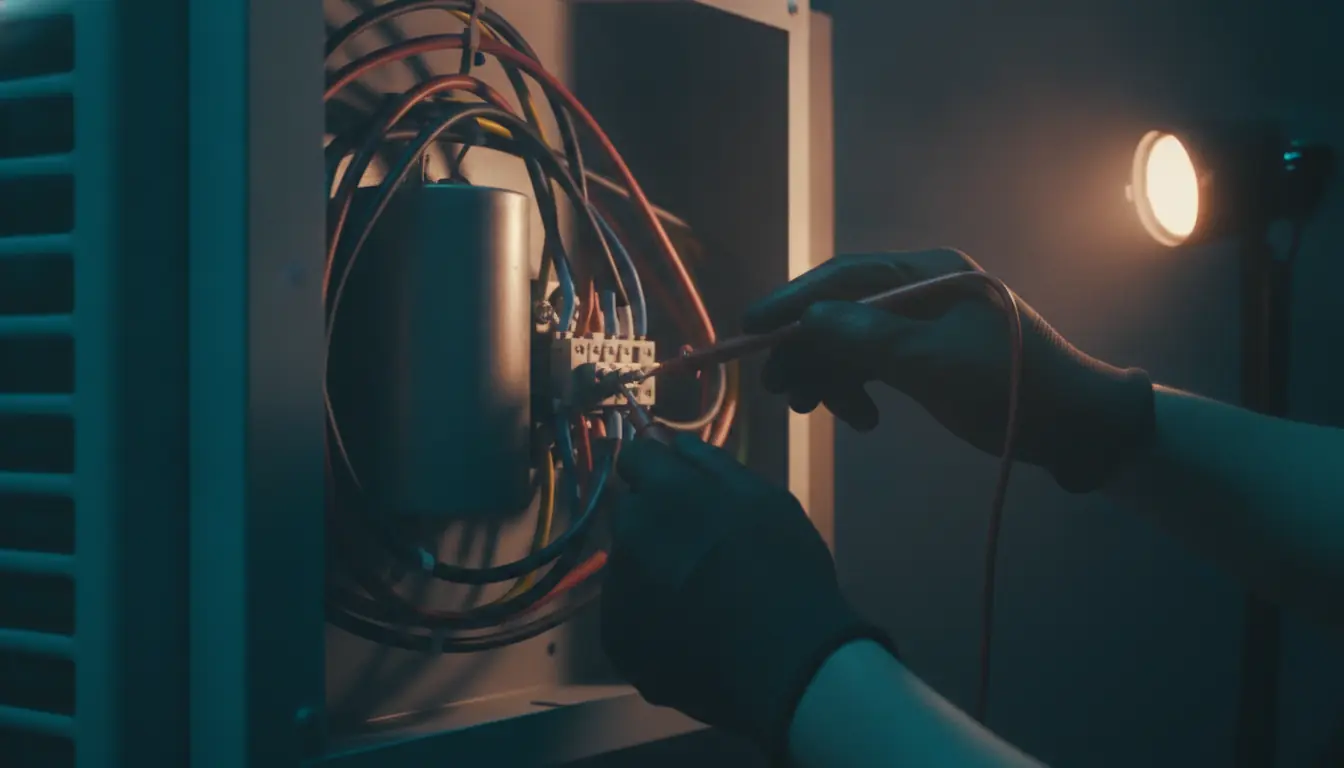
AC Repair
24/7Not cooling, not turning on, leaking or making a noise it never made before — diagnosed and repaired, usually the same day.
Details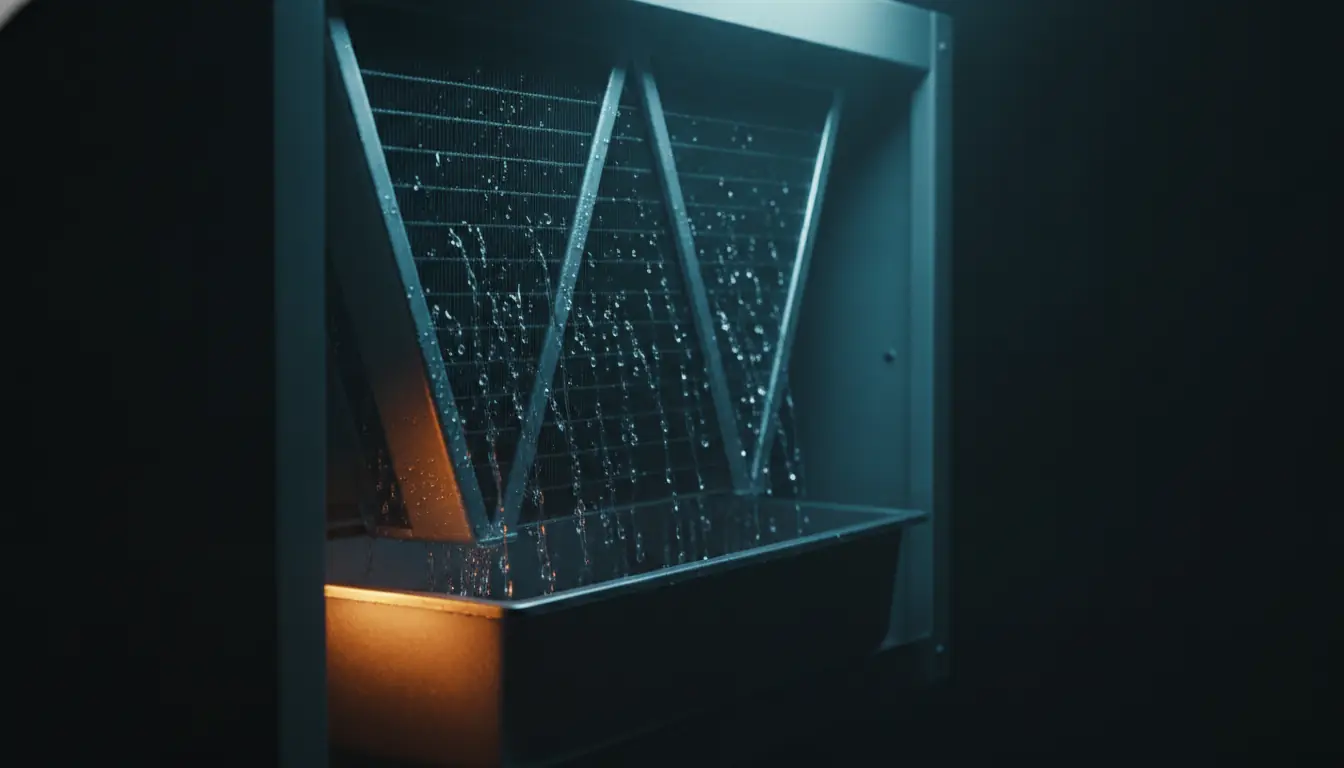
Evaporator Coil Repair & Replacement
The indoor coil is where Florida humidity, condensate and corrosion all meet. When it leaks, the system stops cooling properly.
Details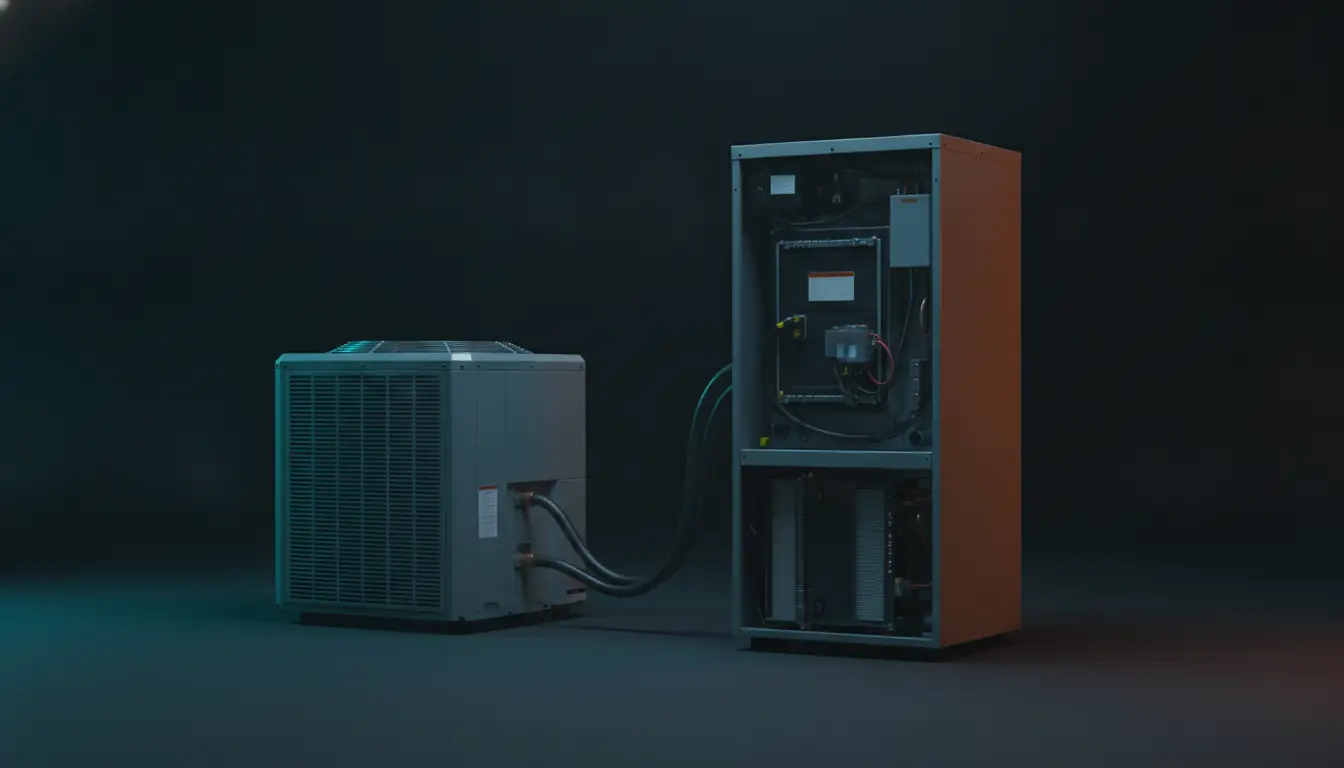
AC Replacement
The repair-or-replace decision, made with numbers instead of pressure. If the system is worth fixing we will tell you so.
Details
AC Maintenance
The visit that prevents the 2 AM call — coil cleaning, drain clearing, electrical check and performance measurement.
DetailsNeed refrigerant leak repair today?
Open 24 hours, 7 days a week. Someone answers the phone at 3 AM. Not a machine.